

Bansari Greenpark
2 & 3 BHK Luxurious Apartments & Shops
Gandhinagar - Randheja Road, Gandhinagar
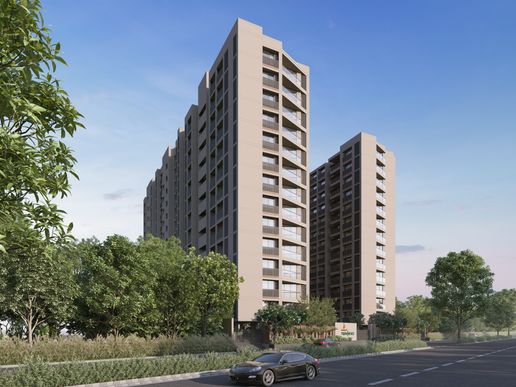
Bansari Prominence
3 & 4 BHK Luxurious Apartments
Koba-Adalaj Rd, Gandhinagar
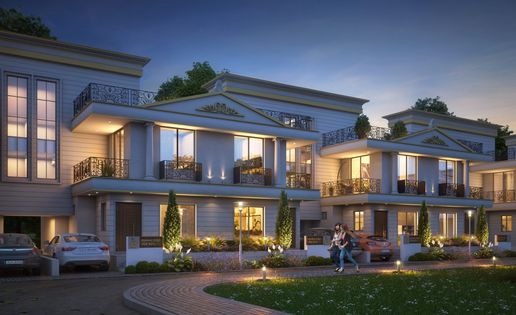
Bansari Vatika
Residential Plotting
Gandhinagar -
Randheja Road, Gandhinagar
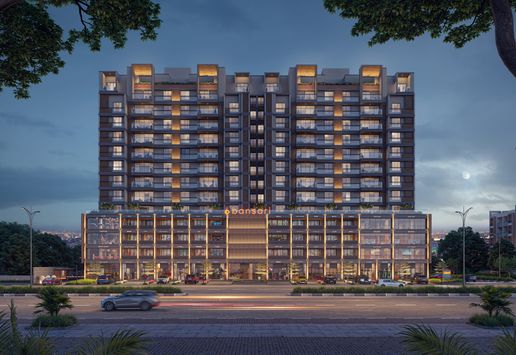
Bansari Opulence
3 & 4 BHK Signature Living
Opp. to
BJP Kamalam, Gandhinagar
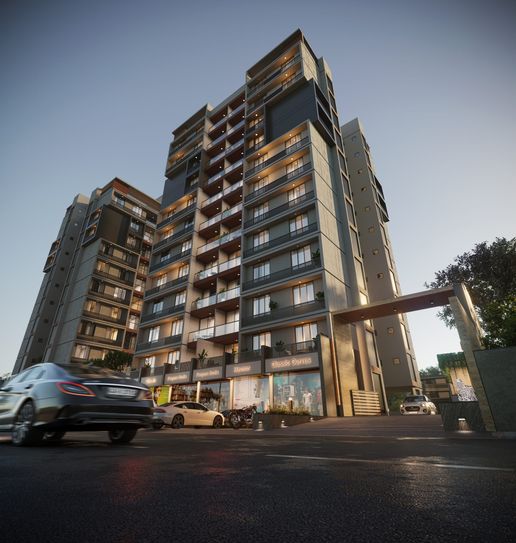
Bansari Platinum
2 BHK August Living
Nana Chiloda,
Ahmedabad
.jpg)
Bunglow in Gandhinagar vs Apartment: Which Property Is Best for Families in 2026?
Picking the right home is honestly one of the biggest choices any family can make. By 2026, many homebuyers are kind of weighing if a bungalow or an apartment will fit better with day to day living comfort, and also the long term value. Both styles have their own perks, but the “best” option really comes down to what your family needs , your budget and where you see yourselves later.
Because infrastructure is developing fast , connectivity has improved, and more people are looking for places to live in and around cities like Gandhinagar, buyers are exploring these options more often . When you look closely at how these two housing formats actually work, it becomes easier to decide without second guessing yourself too much.
Understanding the Lifestyle Difference
Before comparing the financial and practical aspects, it is important to understand how daily life differs in a bungalow and an apartment.
A bungalow typically provides more private living space, independent access, and greater flexibility for customization. Apartments, on the other hand, are designed for community living and often come with shared amenities and maintenance services.
Living in a Bungalow
A bungalow usually gives more private space, independent entry, and a wider range of flexibility when it comes to personalization. Families who like privacy, plus open surroundings tend to lean toward this type.
Some key advantages include:
- Larger built-up and open spaces
- Private parking areas
- Freedom to renovate or expand
- Better privacy and reduced noise from neighbors
- Dedicated outdoor areas for gardening or recreation
Many buyers searching for a Bunglow in Gandhinagar are attracted by these lifestyle benefits, especially those planning a long-term family residence.
Living in an Apartment
Apartments are designed to maximize convenience and efficient use of urban space. They are often located within gated communities that provide a range of shared facilities.
Common benefits include:
- Enhanced security systems
- Clubhouse and recreational amenities
- Professional maintenance services
- Lower responsibility for exterior upkeep
- Strong community environment
For working professionals and smaller families, apartments can provide a practical and hassle-free living experience.
Space Requirements for Growing Families
One of the biggest factors that influences a home purchase is the amount of usable space you can actually use, or whatever, depends on how you measure it.
Families with kids, older parents, or people who drop by a lot usually need extra rooms and living areas that can shift with real life. A bungalow often has broader floor plans and more open space that can adapt as family needs change, over time. Sometimes it feels easier to reorganize everything, you know, without too much hassle.
Apartments can be enough for a nuclear family, at least in the beginning. But later “growing” usually comes with limitations, expansion is not always a given. Buyers who plan to stay put for many years often look for places that can adjust to different routines and lifestyle changes, instead of getting stuck.
Which Option Offers Better Privacy?
Privacy still matters a lot for modern families, maybe even more than before.
With a bungalow, there typically are no shared walls, no common hallways or corridors, and no nearby units directly above or below you. That generally means a quieter, more personal atmosphere.
Apartments can be convenient, sure, but they often bring shared spaces and you’re closer to neighbors. Even with newer buildings that try to reduce noise and disturbances, the privacy level may not feel as strong as it does in a detached home, because you basically live nearer to other people.
Cost Considerations in 2026
Budget is a major moving part in the home buying decision, and it’s rarely just about the upfront number.
Apartments often come with a lower entry cost compared to similarly located bungalows. They may also lead to lower early maintenance spending. Less immediate upkeep can feel like a real win.
Still, buyers should think about long term ownership costs, not just the purchase price. It’s the ongoing expenses that tend to catch up, even if the first payment looks lighter.
Important financial factors include:
- Property appreciation potential
- Maintenance expenses
- Utility costs
- Future renovation requirements
- Resale demand
A thorough evaluation of these elements helps determine the actual value of a property over time.
Community living and social environment
Apartments kinda pull people together through shared amenities, small events, and recreational facilities. That seems helpful for families who want an lively social setting for children and also for seniors, you know.
Bungalows, on the other hand, lean toward a more private or independent lifestyle. Even if they sit inside the same residential zones, everyday contact is usually less common than in apartment complexes, so it feels more quiet overall.
So, the choice usually comes down to what a family really puts higher on the list privacy, or community engagement.
Safety and Security
Modern apartment complexes often include:
- CCTV surveillance
- Security personnel
- Controlled entry systems
- Visitor management solutions
These features provide an additional sense of security for residents.
Bungalows can also offer excellent security, particularly within gated communities, but homeowners are usually more responsible for managing and maintaining security arrangements.
Long term investment potential
Real estate should be treated as more than just a place to stay. It also works as a long term asset, more like a long play.
Homes with land ownership often show better appreciation potential. Land stays limited, and that limited supply can boost value over time. Because of that independent housing can look especially appealing if someone is thinking like an investor.
When buyers are looking at property in Gandhinagar, they often check what might happen later, like growth patterns, upcoming infrastructure, and whether people will keep wanting to live in the area, before they commit.
Neighborhoods that keep developing consistently tend to deliver stronger outcomes over the long run, even if the home type changes.
Which Option Is Best for Families in 2026?
There is no single answer that suits every family.
A bungalow may be the better choice if you prioritize:
- Privacy
- Spacious living
- Future expansion possibilities
- Independent ownership experience
An apartment may be ideal if you prefer:
- Lower maintenance responsibilities
- Enhanced security features
- Community amenities
- More affordable entry costs
Ultimately, the best property is the one that aligns with your family's lifestyle, financial goals, and future plans.
Conclusion
Choosing between a bungalow and an apartment really comes down to what your family values most right now. Apartments feel easy, lively, and connected to the neighbourhood, though bungalows usually give more room, stronger privacy, and better flexibility for everyday life especially if you plan to stay for the long run.
As Gandhinagar keeps growing into a favored place to live, each property type brings its own worthwhile potential. If you carefully weigh your family’s present requirements against what you might want later, you should end up with a home that supports comfort, steadiness, and long term value for years ahead.